With enthusiasm, let’s navigate through the intriguing topic related to Are Energy Prices Going Up Again?. Let’s weave interesting information and offer fresh perspectives to the readers.
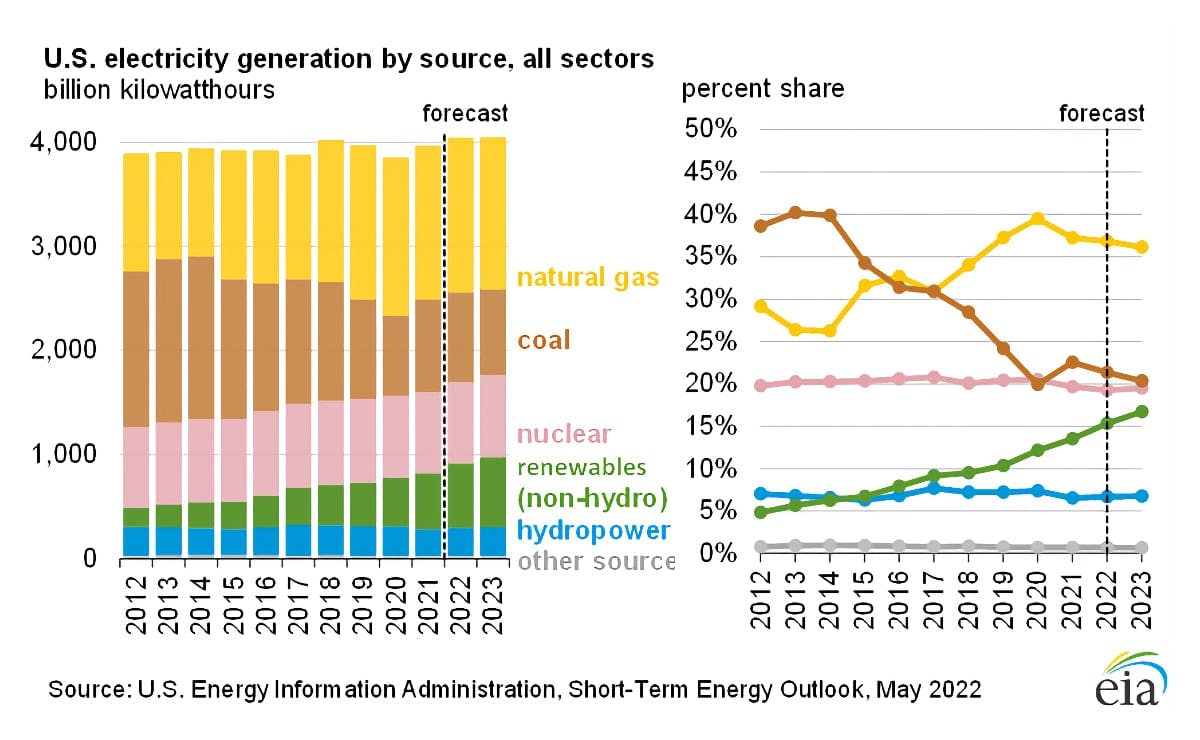
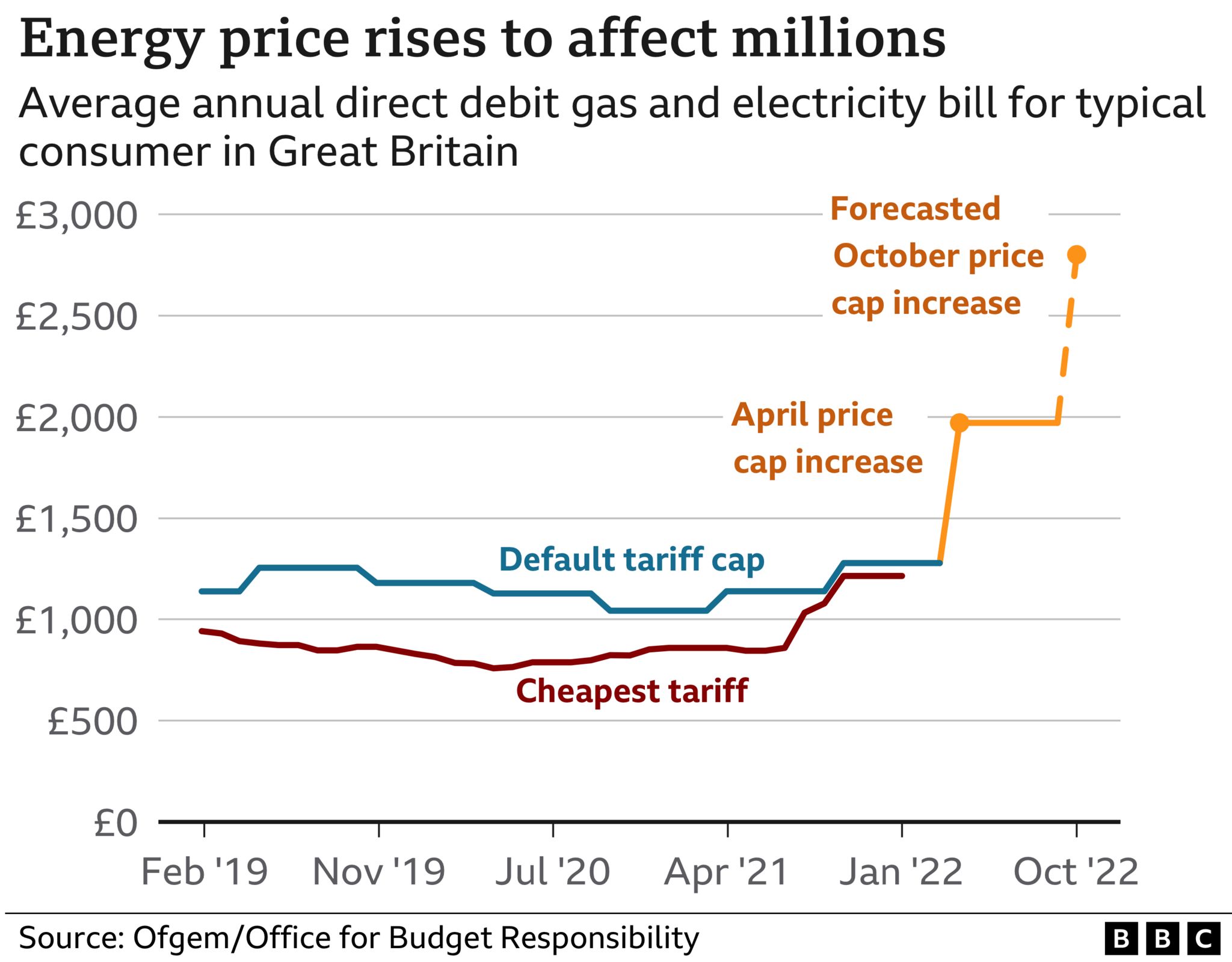
The global energy market has been in a state of flux in recent months, with prices fluctuating wildly due to a confluence of factors. As the world emerges from the COVID-19 pandemic and economic activity picks up, demand for energy is rising, while supply has been constrained by a number of factors, including geopolitical tensions and supply chain disruptions. This has led to a sharp increase in energy prices, which is having a significant impact on businesses and consumers alike.
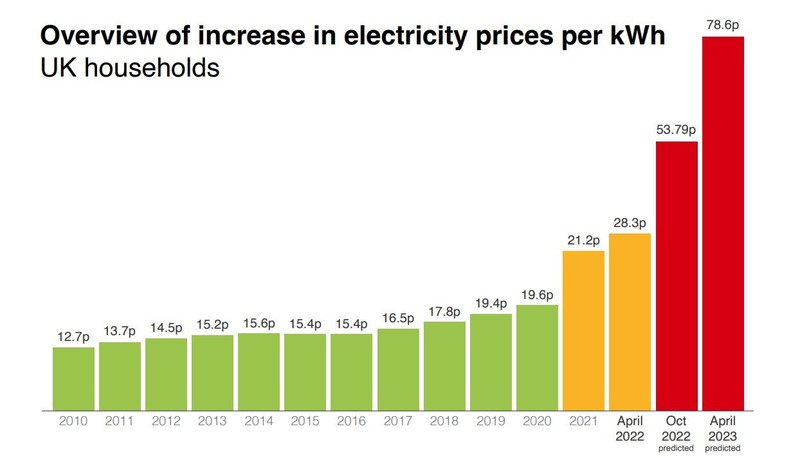
As the global economy recovers from the pandemic, demand for energy is increasing. This is particularly true in emerging economies, where industrialization and urbanization are driving up consumption. Additionally, the growing popularity of electric vehicles is also increasing demand for electricity.
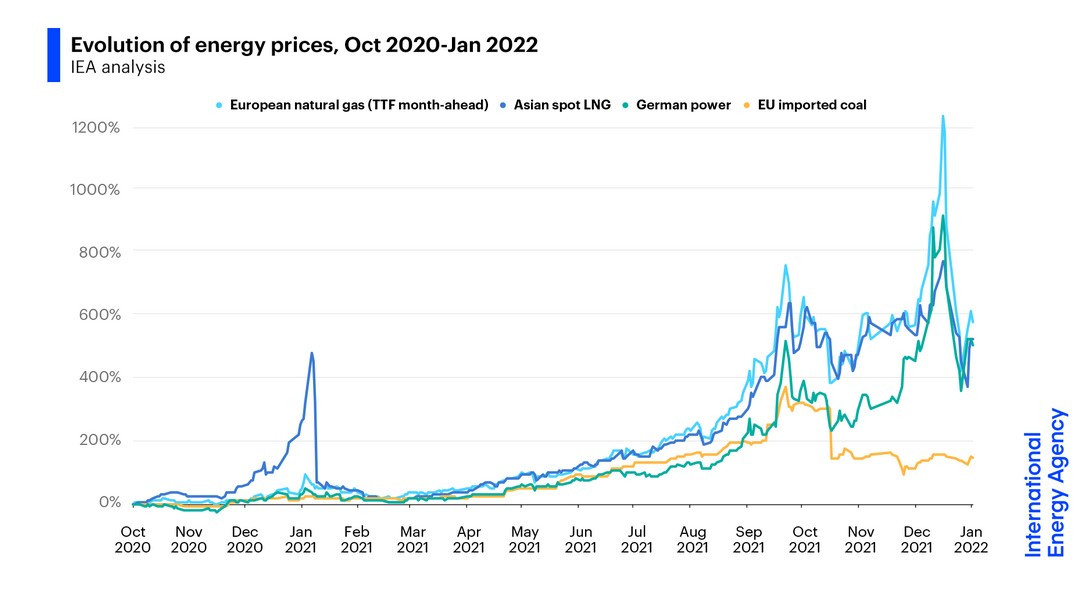
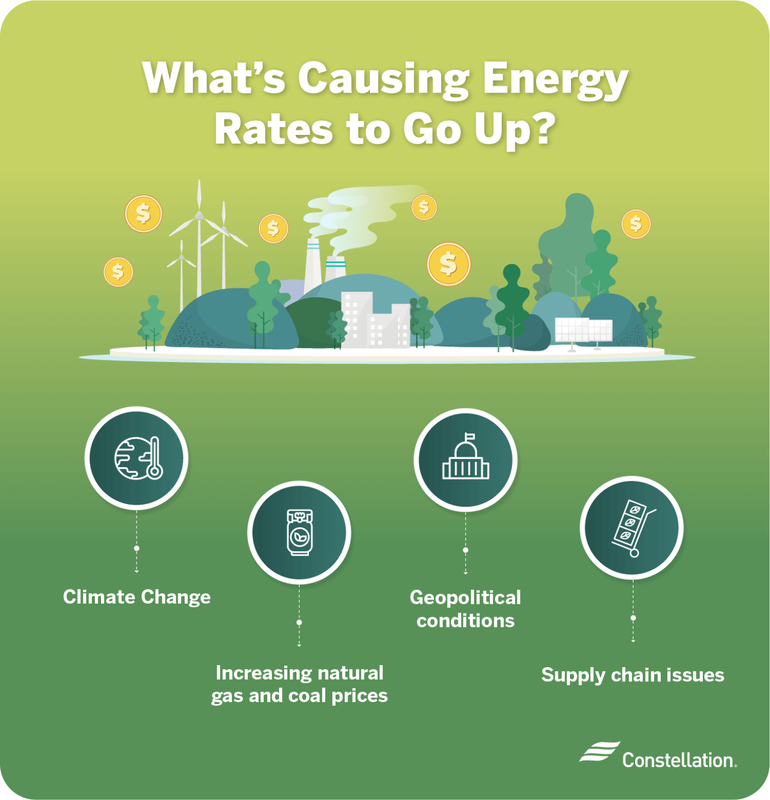
The COVID-19 pandemic has caused significant disruptions to global supply chains, including those for energy. This has led to delays in the production and transportation of oil, gas, and other energy commodities. The ongoing conflict in Ukraine has further exacerbated supply chain issues, as Russia is a major exporter of energy.
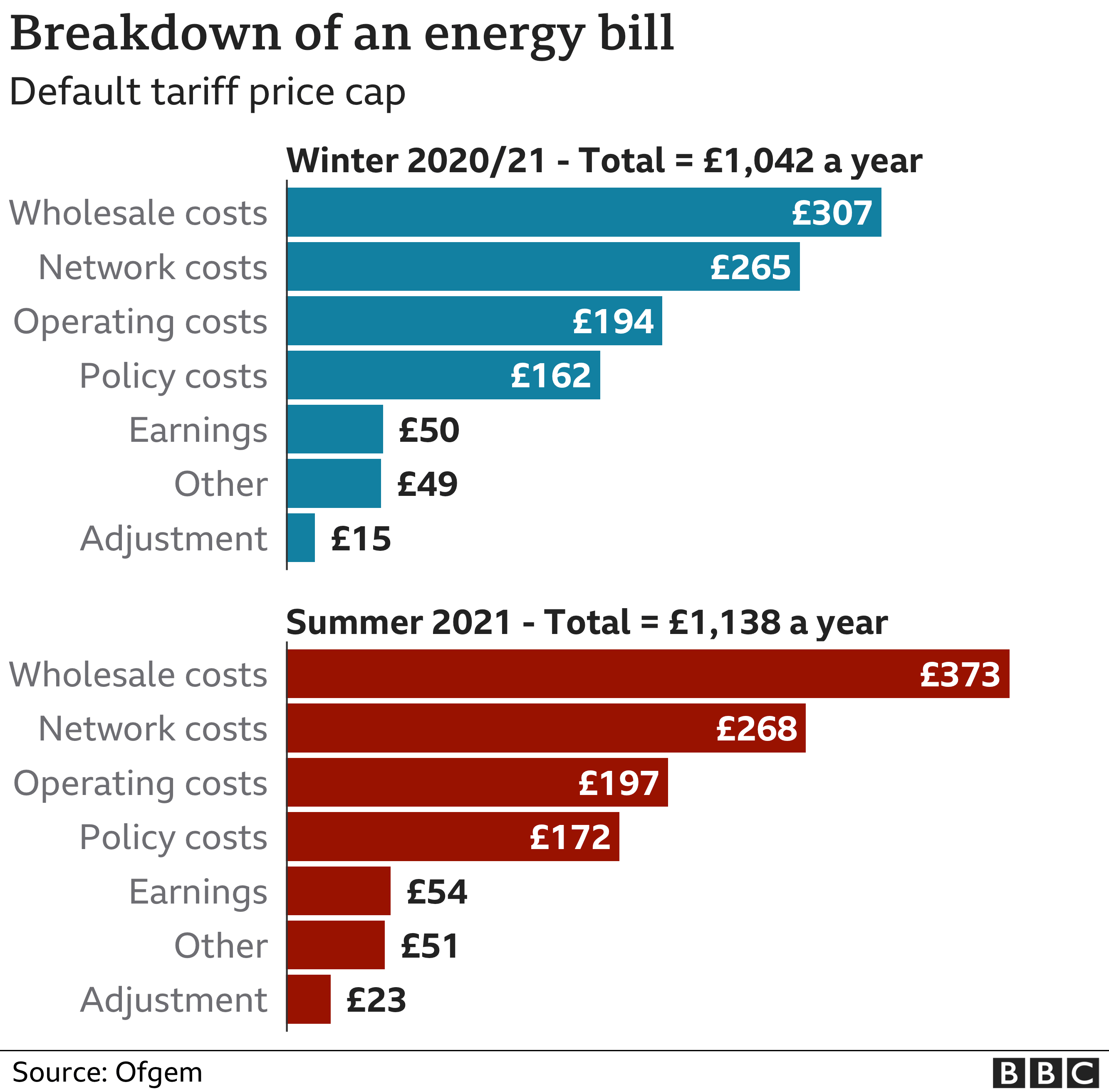
The ongoing conflict in Ukraine has had a major impact on the global energy market. Russia is the world’s second-largest oil producer and the largest exporter of natural gas. The conflict has disrupted Russian energy exports, leading to a spike in prices.

The Organization of the Petroleum Exporting Countries (OPEC) has been cutting production in an effort to support prices. OPEC and its allies, known as OPEC+, agreed to cut production by 2 million barrels per day in November 2022. This has further tightened the global oil market and contributed to rising prices.

The increase in energy prices is having a significant impact on businesses and consumers around the world.
For businesses, rising energy prices can lead to higher operating costs. This is particularly true for energy-intensive industries, such as manufacturing and transportation. Higher costs can eat into profits and make it difficult for businesses to compete.
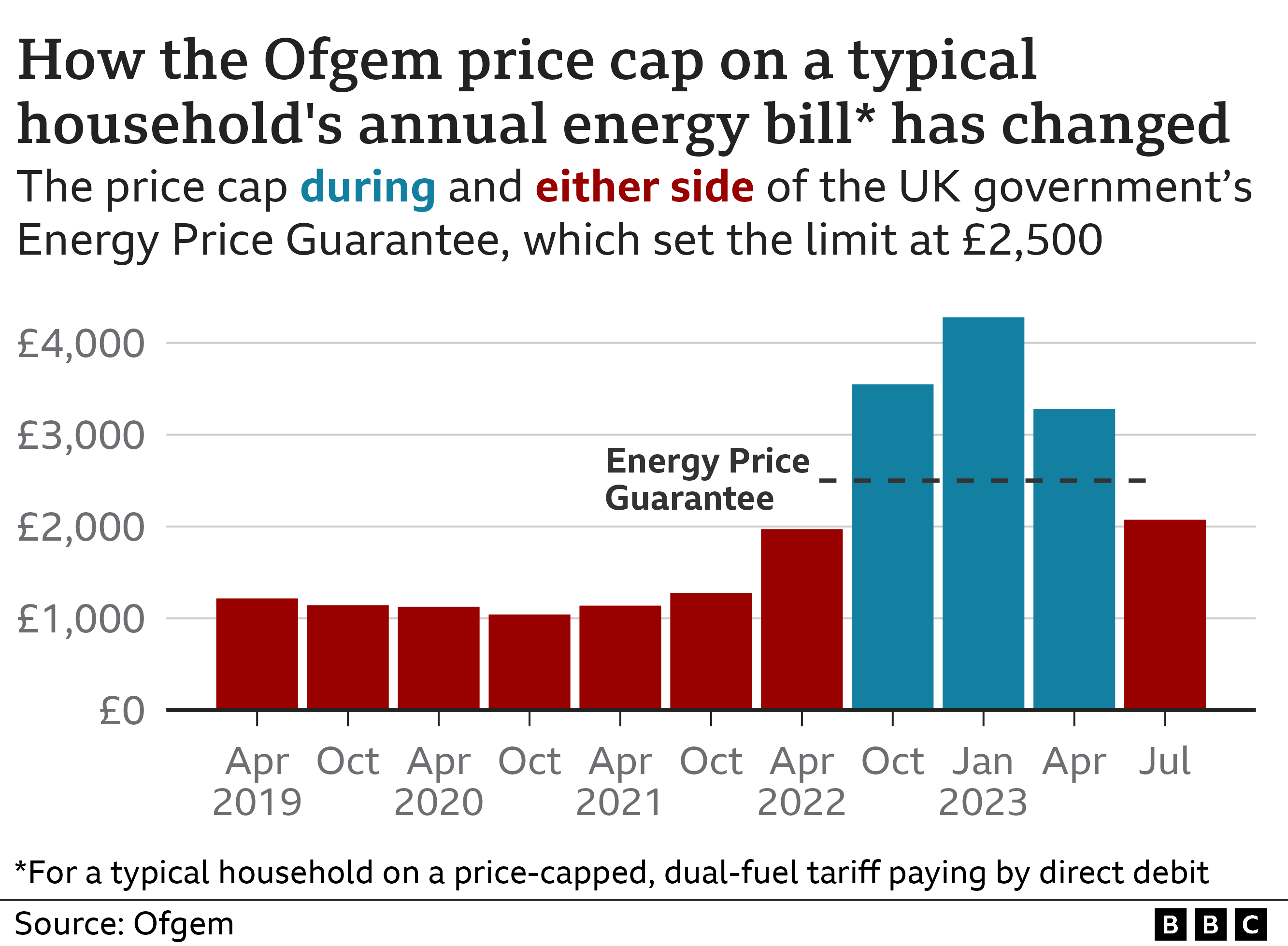
Rising energy prices can also reduce consumer spending. As households spend more on energy, they have less money available to spend on other goods and services. This can lead to a slowdown in economic growth.
Rising energy prices can contribute to inflation. When businesses pass on the cost of higher energy to consumers, it can lead to higher prices for goods and services. This can erode the purchasing power of consumers and make it difficult for them to afford basic necessities.
Rising energy prices can also raise concerns about energy security. If a country relies heavily on imported energy, it can become vulnerable to supply disruptions and price shocks. This can have a negative impact on the economy and national security.
The outlook for energy prices is uncertain. There are a number of factors that could contribute to continued high prices, including:
Rising energy prices are a major concern for businesses and consumers around the world. The increase in prices is being driven by a combination of factors, including rising demand, supply chain disruptions, geopolitical tensions, and OPEC production cuts. The impact of rising energy prices is significant, leading to higher business costs, reduced consumer spending, inflation, and energy security concerns. The outlook for energy prices is uncertain, but there are a number of factors that could contribute to continued high prices.
Thus, we hope this article has provided valuable insights into Are Energy Prices Going Up Again?. We appreciate your attention to our article. See you in our next article!